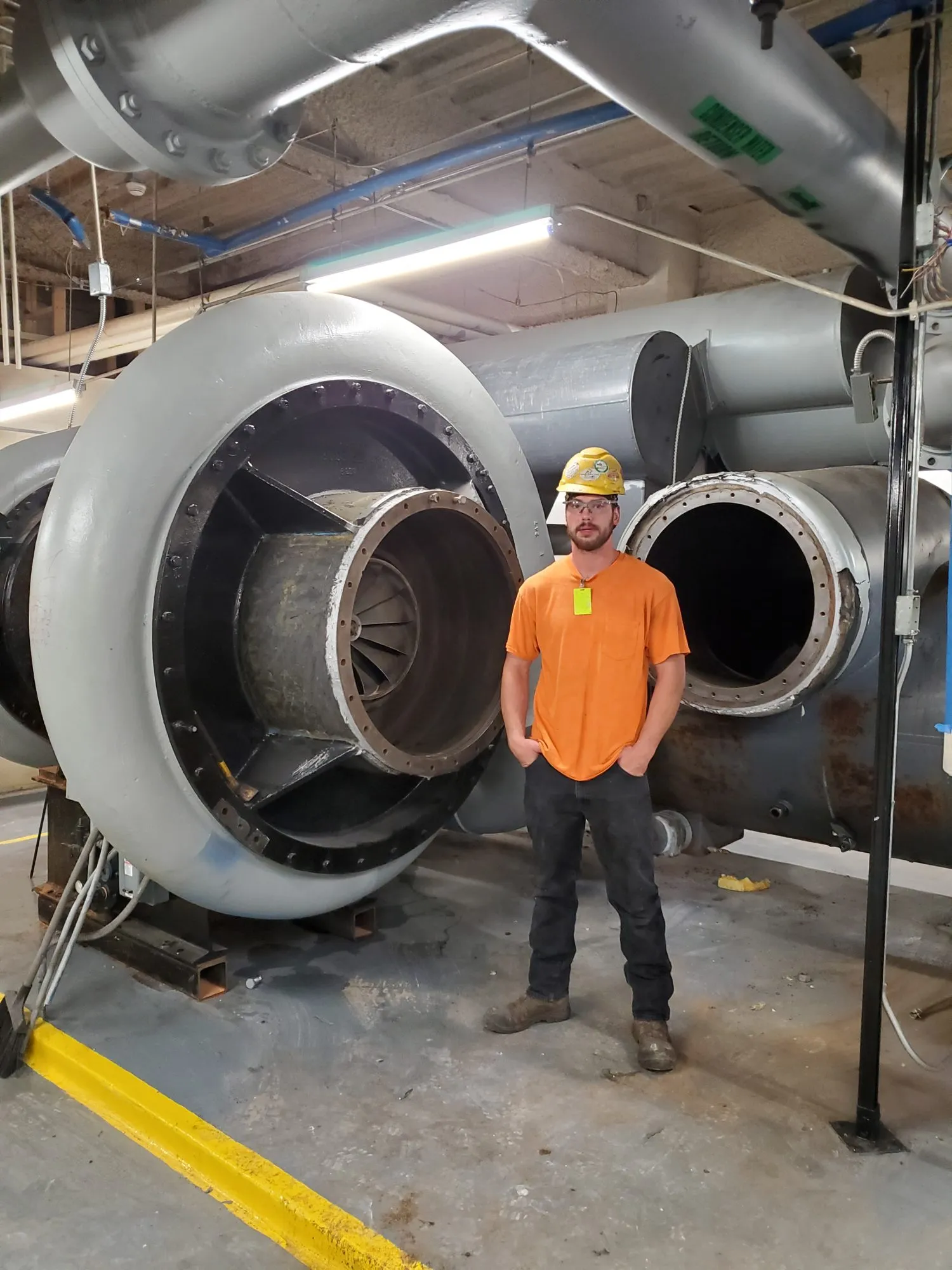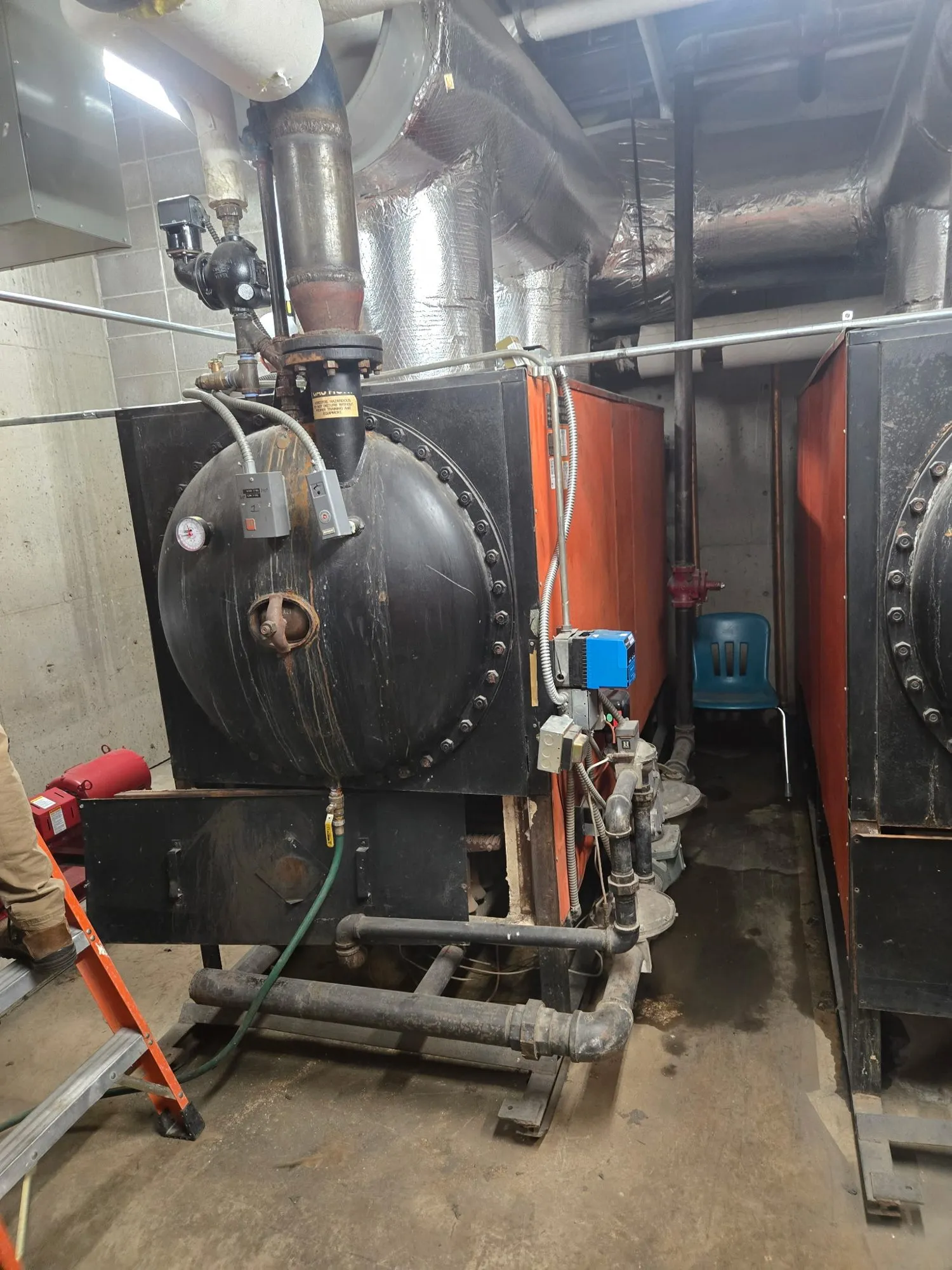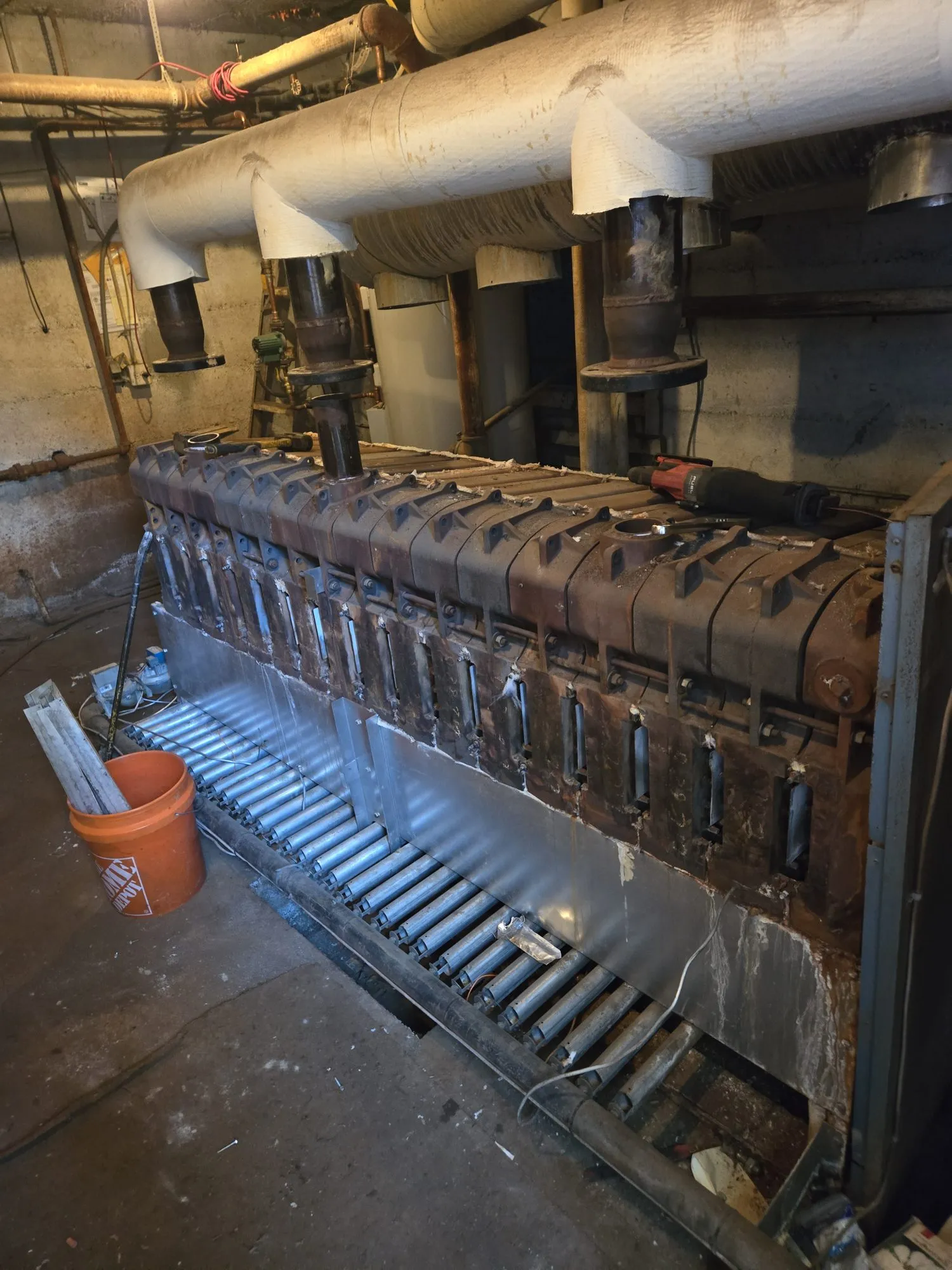
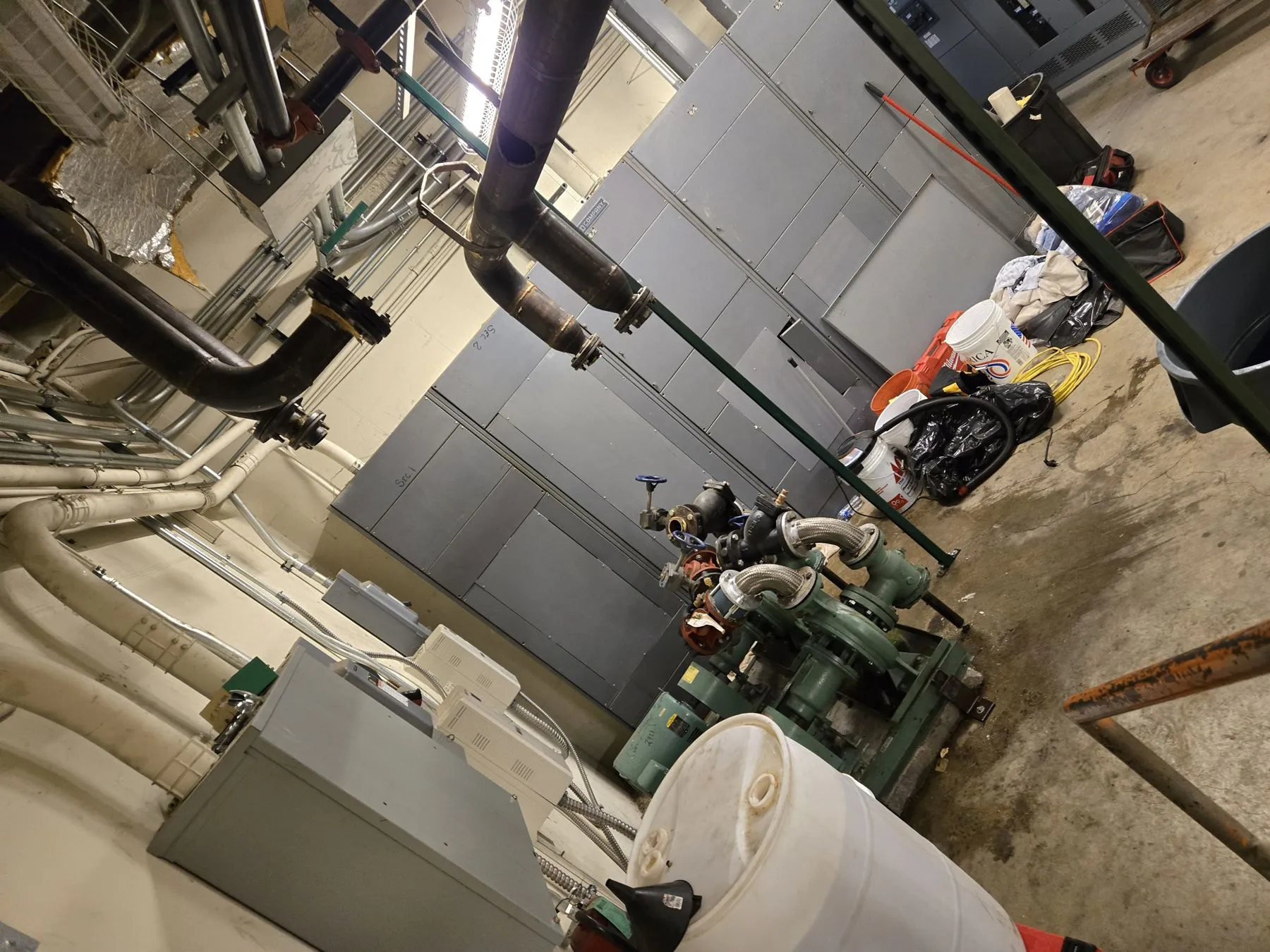
Most demolition jobs that go sideways go sideways before the crew arrives. The equipment is still connected. The room is full of someone else’s material. Nobody told the crew about the 7 a.m. noise rule or the freight elevator that needs a badge. None of that is dramatic, and all of it costs a day. Here is what has to be true when we show up, why each item is on the client’s side of the line, and how we make sure nobody drives out to a room that is not ready.
The line, and why it exists
Every BCK proposal has the same clause: the client (or their designated trade) is responsible for disconnecting, capping and locking out electric, gas and water, and for draining and isolating the equipment, before we arrive, unless a specific item is written into our scope. That is not us avoiding work. Utility disconnection is licensed-trade work in Colorado, and a demolition crew cutting into a line that someone assumed was dead is how people get hurt. Keeping that line clear is also what keeps the price honest: you are paying a demolition specialist for demolition, not for waiting on a plumber.
The checklist
1. Gas off, capped, locked out. By a licensed plumber or mechanical contractor, with the cap on the line, not just the valve closed. Tag it.
2. Electrical de-energized, disconnected, locked out. By a licensed electrician. Disconnects opened, conductors removed or capped at the equipment, lockout applied. A breaker turned off is not a disconnect.
3. Water off, and the equipment drained and isolated. Boilers, tanks and piping hold more water than people expect, and a 4-million-BTU firetube holds a lot of it. Drain it, or ask us to write draining into scope; glycol systems in particular are worth a conversation because the fluid has to go somewhere.
4. Refrigerant recovered. Any chiller, walk-in, condensing unit or rooftop unit needs its refrigerant recovered by an EPA-certified technician before demolition. We include recovery in scope when asked; if it is not in our scope, it has to be done before we arrive, with a record.
5. Asbestos and other hazards identified. Old mechanical rooms hide asbestos in insulation, gaskets and pipe wrap. If you have a survey or an abatement clearance, send it. If abatement is needed, it happens first, by a licensed abatement contractor, and we schedule behind them.
6. Access and staging. A clear path from the equipment to the truck: doors unlocked, corridors clear, the freight elevator reserved, a place to park and load. Tell us about weight limits, badge requirements and anything that closes at 3 p.m.
7. The site’s rules, in writing. Working hours, noise windows, tenant schedules, hot-work permit requirements, prevailing wage, badging, where to check in. An email is fine. We would rather read it the week before than learn it at the door.
8. Anything unusual about the equipment. A boiler that was moved in through a wall that no longer opens. A tank that was welded in place. A pit that floods. The things only the building engineer knows are the things that change the plan, and they are cheap to tell us and expensive to discover.
How we make sure it is actually ready
A week before start, an owner calls to confirm the items above, and a day or two before, we confirm again. That second call catches the plumber who got pulled to another job on Thursday. If the site is not ready on the morning of, the contract lets us document standby, demobilization and remobilization costs, and nobody wants that invoice, so the two calls are for both of us.
The short version for homeowners
Your plumber or HVAC company shuts off and caps the gas and water and disconnects the electrical. You clear a path from the boiler to the door. Somebody is home or reachable. We do the rest, and if you are not sure who to call for the disconnect, ask us; we know people who move fast.
What we bring
Trucks, torches and hot-work permits, rigging, skates and dollies, floor protection, PPE for every person, cleanup gear, and an owner running the floor. From the building we need safe access and nothing else.